
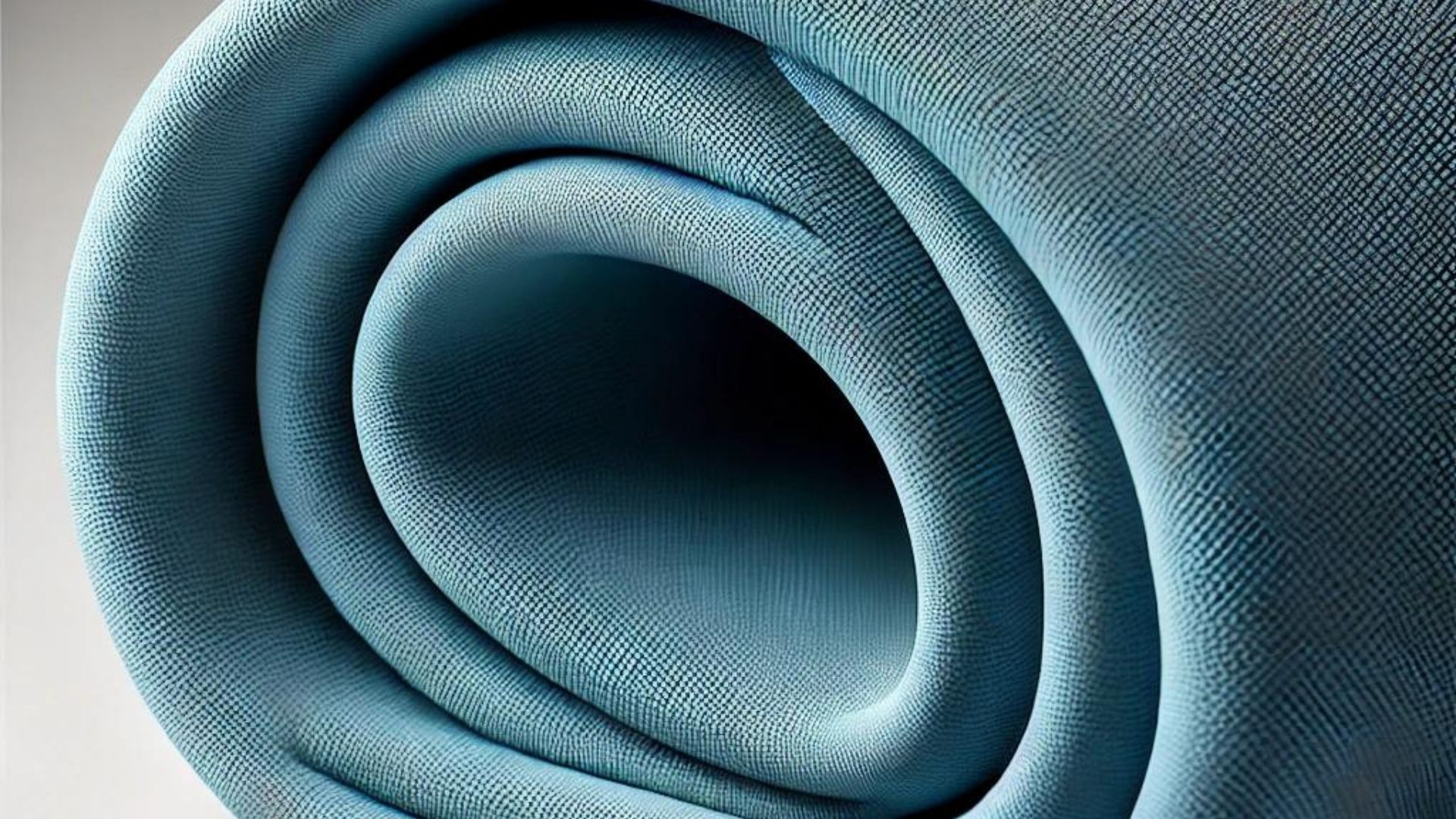
Scuba fabric has become increasingly popular in the fashion industry due to its unique blend of aesthetics and functionality. This fabric, originally developed for wetsuits, has evolved into a versatile material used in a variety of clothing items. In this blog post, we’ll explore what scuba fabric is, its key properties, and the various types available, such as scuba crepe and scuba knit fabric.
Understanding Scuba Fabric
Scuba fabric is a type of double-knit fabric made from a blend of polyester and spandex, offering a smooth, slightly spongy texture. It is often compared to neoprene, the material used for wetsuits, but is much thinner and more flexible. The name "scuba" hints at its origins in the world of underwater sports, though the fabric itself has found a broad range of applications in fashion.
Key Properties of Scuba Fabric
Thickness and Structure: One of the most distinctive properties of scuba fabric is its thickness and structure. The material is thicker than most fabrics, providing a smooth finish that drapes well and holds its shape. This makes it ideal for creating structured garments like dresses, skirts, and blazers.
Stretch and Comfort: The addition of spandex gives scuba material its stretchability. This makes the fabric comfortable to wear and allows for a good fit, especially in body-hugging garments. The fabric’s flexibility makes it a favorite for form-fitting clothing like bodycon dresses and leggings.
Durability: Scuba knit fabric is known for its durability. It resists wrinkles, pilling, and shrinking, making it a long-lasting choice for everyday wear. The fabric’s ability to maintain its shape even after multiple washes is a significant advantage.
Versatility in Design: The smooth texture of scuba crepe allows for vibrant prints and colors, making it a versatile option for designers. Whether you're looking for a simple scuba dress material or something more elaborate, the fabric can accommodate a wide range of styles and patterns.
Water Resistance: While not waterproof, scuba fabric does have some water-resistant qualities, thanks to its tightly knit fibers. This property makes it suitable for outerwear and other garments that need to offer some protection against the elements.
Types of Scuba Fabric
Scuba Crepe: This variation of scuba fabric has a slightly textured surface, which adds a unique tactile element to the material. Scuba crepe is often used in more sophisticated designs, such as formal dresses and blouses, where a bit of texture enhances the overall look.
Scuba Knit Fabric: A popular choice for both casual and formal wear, scuba knit fabric offers more stretch and flexibility compared to regular scuba material. It's commonly used in leggings, tops, and fitted dresses that require a bit more give.
Scuba Dress Material: Specifically designed for creating dresses, scuba dress material is thicker and more structured, making it perfect for garments that require a bit of stiffness and body, such as skater dresses and evening gowns.
Why Choose Scuba Fabric?
Scuba fabric is an excellent choice for those looking for a material that offers both style and substance. Its ability to hold shape, combined with its comfort and durability, makes it a favorite among designers and fashion enthusiasts alike. Whether you're creating a chic evening dress or a casual pair of leggings, scuba fabric can deliver the desired effect with ease.
Scuba fabric has proven to be a versatile and durable option in the world of fashion. With its range of types, including scuba crepe and scuba knit fabric, it offers endless possibilities for designers and wearers. Whether you're drawn to its structured form or its comfort, scuba material is a fabric that deserves a place in any wardrobe.